The Sound of Pioneer Reinventions with Ho-Ling Tang

Perspective and context are deeply meaningful, both regarding words and actions. The filmmakers of O Pioneer wanted to build this concept into the stories they presented in their film which aired on PBS. Co-directors Clara Lehmann and Jonathan Lacocque were also insistent that they utilize the extraordinary talents of composer Ho-Ling Tang to create the score for this film. Having worked with Ho-Ling on a previous production of theirs which was heralded at the SXSW Film Festival, Lehmann and Lacocque’s Coat of Arms is the production company known for collaborations with Google, Netflix, Salesforce and WebMD for animation, narrative, and music services. O Pioneer depicts a modern iteration of the pioneer spirit which so many Americans identify with. This film was recognized with the Best Film Award at the Cinequest San Jose Film Festival.

The Covid-19 Pandemic acted as a catalyst for the trio of modern-day pioneers in this film as they push the envelope of their particular niche and contribute to their communities. O Pioneer is a documentary film which follows the real lives of three West Virginians: Nellie the seamstress, Tim the blacksmith, and a chaplain named James. It’s a prominent aspiration of this film to deconstruct the understanding of what a pioneer is. While exploring the foundational colonialist movement here in the U.S. which was harmful to indigenous peoples and the environment, the filmmakers also seek to redefine what it means to be a pioneer, providing these three inventive people as case studies for how ordinary people can do great things when they are not afraid to forge a new path. The three central people of this film communicate how challenges have directed them to growth and perseverance. Nellie struggles with feelings of isolation and channels her distress into motivation to give back to her community. She describes her creative upbringing and all the experiences that led her to this moment. Meanwhile, Tim creates art through his metalwork, while encouraging his children to do what they’re passionate about: making music and drawing. He is featured as a local artist with an installation of one of his works. James helps people by engaging with them in their moments of need. He provides spiritual guidance for the grieving, sick, and needy, dividing his time between church and the hospital where he also provides religious services.
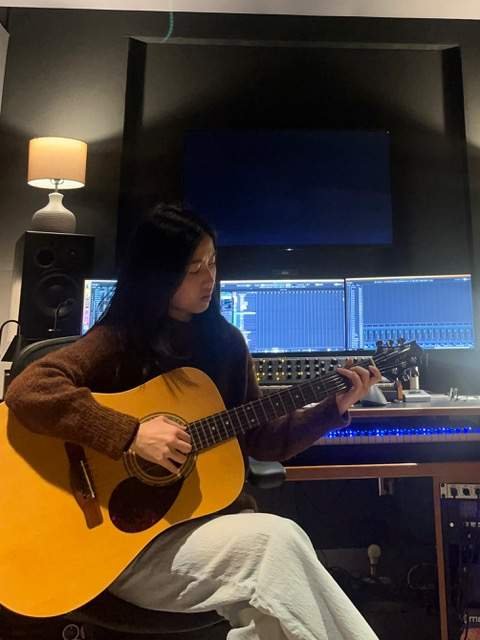
Throughout this entire film, the music provides a deeper look into the internal feelings and experiences of the trio. Low, warm chords from acoustic guitars accompanied by a banjo and plucked string instruments augment Nellie’s stories of the love her parents gave her in her upbringing. A rhythmic pair of scissors snip in-time to the beat, incorporating textile imagery within the music. At various points in the film, sonic “tags” like a harmonica, a ukulele, and a gramophone-esque piano provide a transportive quality which takes the audience into the past alongside footage of black and white explorers, space shuttles, and other human endeavors in recent history that pushed the envelope. Both the triumphs and the darker sides of humanity are on display and the score presents both emotional sides of American history, helping the viewers appreciate the nuance and complications of it. One might expect such grand tales to find a counterbalance in grand scale orchestras but composer Ho-Ling Tang took a different approach. She explains, “I opted to avoid large ensembles altogether, using a single violin, one cello, one piano, one flute, and single plucked string instruments that included guitar, banjo and ukulele. Choosing the right sound palette greatly influences the emotional tone of the project, and I needed to find a set of instruments that expressed intimacy, warmth, and humanity. It just felt like we were in the room with these people and these musicians, and that kind of intimacy gave us a window into those peoples’ stories in a way that something grander wouldn’t have. This took some time to establish and get right, which was essential because it would have implications for the tone of the entire film.”
O Pioneer achieves the lofty aspiration of communicating both the beauty and ugliness of truth. It asks if the title of “pioneer” can be reclaimed or repurposed for positive ends, imbued with good intensions for all people rather than just for one select group. The film doesn’t shy away from the past while also offering hope for the future. It’s a deeply emotional film, unrelenting in its belief that the examples of individuals can provoke positive trends for the many. The filmmakers have proposed the concept that if each person searches themselves for their own abilities in a responsible manner, could we make all of society better?
Writer : Calvin Hooney