The Role of Cargo Loaders in Preventing Truck Accidents
- Proper cargo loading is essential for truck stability and road safety.
- Incorrect loading practices can lead to severe accidents, including rollovers and jackknifing.
- Adherence to federal regulations and thorough training for cargo loaders are critical in accident prevention.
Understanding the Importance of Proper Cargo Loading
Every day, trucks travel thousands of miles, delivering goods across highways and sharing the road with cars, motorcycles, and pedestrians. The stability of these large vehicles relies significantly on how their cargo is loaded and secured. When cargo is improperly loaded, it can directly compromise a truck’s balance, increasing the risk of accidents such as rollovers or jackknifing. For anyone who experiences the aftermath of such accidents, consulting dedicated Lawrenceville truck accident lawyers can offer crucial guidance and support in navigating legal options after a crash.
The consequences of incorrectly loaded cargo reach far beyond property damage. Accidents caused by load shifts or overloads can result in serious injuries or fatalities, affecting not only the truck driver but also other road users. Therefore, ensuring cargo is correctly distributed and properly secured becomes a critical factor in road safety efforts.
Common Mistakes in Cargo Loading
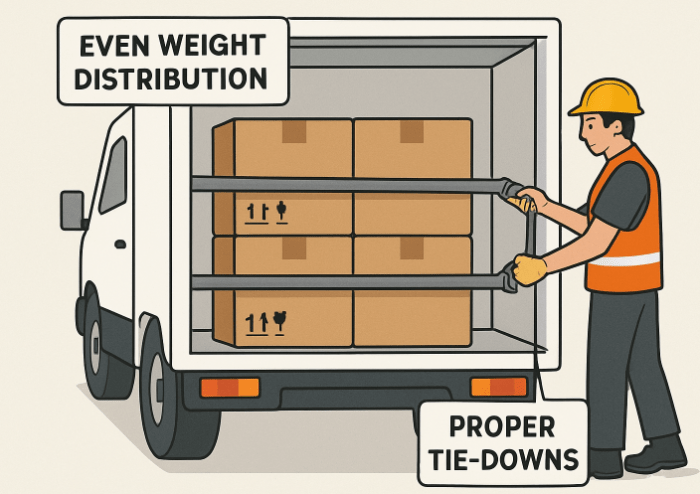
Numerous cargo loading errors can contribute to dangerous situations on the road. One primary mistake is uneven weight distribution. If a load is heavily concentrated on one side, the center of gravity shifts, leaving the truck more susceptible to tipping, particularly when turning or swerving. Another common error is overloading, which exceeds the truck’s weight capacity and puts immense strain on the tires and brakes, increasing the risk of mechanical failure. Additionally, if cargo is not adequately secured, it can shift during transit, causing abrupt changes in balance and possibly leading the driver to lose control of the vehicle.
Making these mistakes may not only cause crashes but also have severe legal and financial consequences for the individuals and companies involved.
Federal Regulations and Compliance
To address these risks, the Federal Motor Carrier Safety Administration (FMCSA) has set forth regulations governing safe cargo loading. These rules focus on appropriate tie-down methods, require a minimum number of tie-downs based on cargo size and weight, and mandate periodic inspections during a truck’s journey. Compliance with these regulations is not only a legal requirement but also the foundation of responsible trucking. Regular inspections of secure cargo at every stop and checkpoint improve overall safety and minimize the risk of accidents caused by shifting or falling loads.
The Role of Cargo Loaders in Accident Prevention
Cargo loaders play a critical role in accident prevention. Their daily tasks directly influence truck stability and the safety of everyone on the road. Loader responsibilities include verifying that cargo is loaded to ensure even weight distribution, using the proper securing equipment, and ensuring compliance with all safety guidelines set by the relevant authorities. Meticulous attention from loaders can prevent dangerous shifting during transit and help avoid many accidents caused by human error. When these professionals are well-trained and alert, they serve as a crucial barrier against tragedy on highways and city streets.
Technological Advancements in Cargo Loading
Innovative solutions have emerged to further support the safe loading of trucks. Artificial intelligence and advanced imaging systems now allow companies to analyze how cargo is distributed within a trailer. For example, AI-supported assessment systems use photographs taken after loading to check for proper placement and secure tie-downs. This technology helps spot errors before trucks are dispatched, giving companies another layer of protection against costly or catastrophic accidents.
Legal Implications of Improper Cargo Loading
Improperly loaded cargo not only elevates the risk of harm but can also expose cargo loaders, trucking companies, and drivers to significant legal repercussions. In the event of a crash traced to an unsafe load, civil liability and, potentially, criminal charges may arise. Lawsuits may reach beyond the immediate parties and include shippers or manufacturers involved in the loading process. Upholding safety standards is not simply a professional duty; it is a legal necessity that protects companies from litigation and road users from preventable harm.
Training and Education for Cargo Loaders
Comprehensive training is the backbone of effective cargo loading. Reputable companies provide robust onboarding and continuing education programs for all loaders. These programs cover essential topics such as weight distribution principles, interpreting truck capacity limits, properly securing cargo, and understanding federal and state regulations. Regular refresher courses help ensure that loaders stay up to date with changing safety protocols and industry best practices. Ongoing education for loaders is instrumental in reducing the number and severity of truck accidents on today’s roads.
Conclusion
Preventing truck accidents starts long before a driver turns the ignition key. Proper cargo loading remains a cornerstone of roadway safety, with cargo loaders having profound responsibility in this process. Their work, supported by thorough training, stringent compliance, and new technological tools, creates safer journeys for every vehicle sharing the road. Through vigilant attention to detail and dedication to best practices, the likelihood of preventable accidents can be greatly reduced, helping save lives and minimizing risks for all.