Simple Wellness Habits That Make a Big Impact in Retirement
Key Takeaways
- Small, sustainable changes in daily habits can significantly improve physical and mental well-being during retirement.
- Prioritizing regular movement, balanced nutrition, meaningful social engagement, and quality sleep helps maintain a high standard of living after leaving the workforce.
- Tailoring daily wellness routines according to individual preferences ensures consistency and lasting benefits.
- Expert-backed research emphasizes that even modest changes pave the way for long-term health and fulfillment.
Why Small Habits Matter in Retirement
Retirement is often considered a well-earned opportunity to slow down and enjoy the fruits of decades of hard work, but it’s also a pivotal chance to invest in overall well-being. Rather than spending your entire lifestyle overnight, science suggests that incremental, achievable changes are the key to lasting transformation. Approaching wellness one step at a time fosters a sense of accomplishment and eliminates the stress of tackling sweeping changes. For instance, adding a 10-minute walk after breakfast or consistently swapping sugary drinks for herbal tea can profoundly impact over time.
Resources championing holistic aging, like Spring Creek Chalet, often underscore the importance of personalized, everyday wellness strategies over one-size-fits-all regimens. A growing body of research shared by the Centers for Disease Control and Prevention solidly backs this up, showing that retirees who create and stick to small, positive habits—like engaging in mild exercise, eating balanced meals, or participating in community activities—benefit from lower rates of chronic disease, enhanced mobility, and better emotional health. The journey to wellness in retirement isn’t about making dramatic resolutions; it’s more about making minor, meaningful tweaks to support health and happiness for years to come.
Building a Simple Physical Routine
Physical activity is an essential foundation for aging, yet retirement allows you to choose routines that fit your lifestyle. You don’t have to train for a marathon; consistency in movement matters more than intensity. The flexibility of this life stage means that enjoyable activities like gardening, daily strolls, or group fitness classes become much more accessible options. These forms of low-impact movement promote cardiovascular health, support weight management, and help maintain joint flexibility.
- Walk Daily: Incorporating a daily walk, whether a brisk jaunt through your neighborhood or a stroll in the park, enhances heart health, boosts mood, and gently exercises the muscles. Bringing a friend or a pet along can make this habit more enjoyable and sustainable.
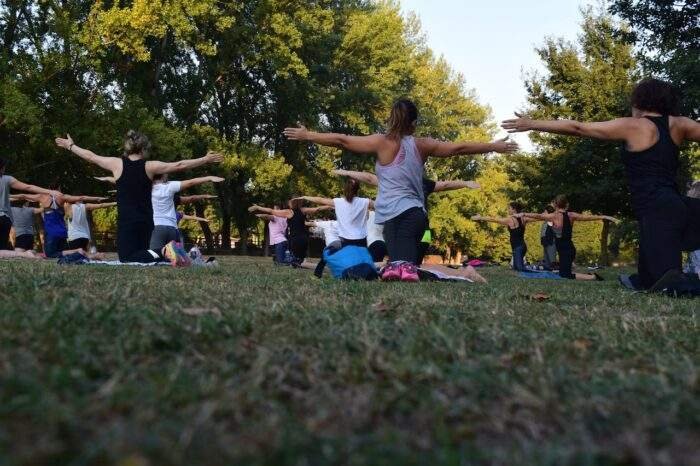
- Gentle Exercises: Routines such as chair yoga, water aerobics, or tai chi are designed for all skill levels and help improve balance and strength, crucial factors for reducing fall risk as we age.
- Reminders to Move: Setting hourly alarms motivates you to get up, stretch, and move, guarding against stiffness and improving circulation, especially for those who enjoy sedentary hobbies or reading.
The National Institute on Aging recommends at least 150 minutes of moderate physical activity per week for older adults. This can be as simple as 20 to 30 minutes daily; even light activities count toward significant long-term health benefits. The most effective exercise routines are incorporated into daily life and feel uplifting rather than a chore.
Nutritious Eating Made Easy
While there’s no need for fad diets or complicated meal plans, focusing on simple, balanced daily choices leads to better health outcomes. Nutrition in retirement is about fueling your body for energy, mobility, and joy. By prioritizing easy wins—like adding more vegetables, including lean sources of protein, and staying hydrated—you can make a tangible difference in how you feel.
- Brighten each meal with a rainbow of vegetables and fruits—each color contains vitamins and minerals.
- Swap processed snacks with wholesome alternatives such as nuts, seeds, yogurt, or fresh produce, which are nourishing and satisfying.
- Choose whole grains over refined grains—options like oats, barley, and brown rice offer longer-lasting energy and more fiber for digestive health.
- Drink water or caffeine-free tea throughout the day, keeping sugary drinks to a minimum. Staying hydrated supports cognitive function, joint health, and skin vitality.
Prepping snack-sized portions early in the week or batch-cooking favorite healthy dishes sets the stage for success. Mealtimes can also serve as social anchors—sharing food with friends or family strengthens relationships and adds a sense of community to nutrition.
Prioritizing Social Connections
Emotional and cognitive well-being in retirement is strongly tied to the quality of social connections. People who regularly nurture their social circles tend to experience reduced feelings of isolation, sharper mental acuity, and greater overall happiness. Retirement provides an opportunity to reconnect with old acquaintances or to cultivate new friendships around shared interests.
- Participate in hobby groups, attend book clubs, or join local exercise classes, where socializing becomes routine.
- Lend a hand by volunteering for causes that resonate with your passions. Giving back is associated with higher life satisfaction.
- Establish weekly phone or video calls with family, former colleagues, or friends, maintaining bonds even from a distance.
Even small doses of regular social interaction can provide emotional support and bring a welcome sense of belonging, an often overlooked pillar of healthy aging.
Lifelong Learning and Mental Health
The retirement years need not signal the end of learning—in fact, they offer more freedom to explore new interests and curiosities. Mental engagement is proven to slow cognitive decline and foster creativity. Exploring a new hobby, pursuing formal or informal classes, or teaching a skill to others keeps the mind sharp and active.
- Enroll in online or in-person courses to study a new language, craft, or technology that has always piqued your interest.
- Read regularly and challenge yourself with crosswords, puzzles, or games that stimulate strategic thinking.
- Gather with others for intellectual activities, such as trivia nights, discussion groups, or creative writing circles.
Older adults who immerse themselves in mentally stimulating tasks or hobbies demonstrate improved well-being, a stronger sense of purpose, and a lower risk of developing depression. Blending mental activity with social engagement amplifies these benefits.
Quality Sleep for Well-Being
Quality sleep sets the foundation for optimal health, yet retirement often disrupts previous routines. A lack of structured daily commitments can result in irregular sleep habits. Sticking to a comfortable sleep schedule is essential, as this allows the body to maintain a reliable circadian rhythm and helps to regulate mood, energy, and even immune function.
- Maintaining a steady bedtime and wake-up time helps train the body to expect rest at certain hours, even during travel or holidays.
- Wind down with relaxing rituals before bed, limiting exposure to bright screens, and stimulating activities that can interfere with melatonin production.
- Design your bedroom for rest: calm, dark, quiet, and clutter-free environments promote more profound, restorative sleep.
- If you regularly struggle with insomnia or fatigue, reach out to a healthcare professional for support and advice.
Better sleep usually translates into more energy, better mood, reduced inflammation, and improved concentration throughout waking hours.
Habits for a Purposeful Day
Finding purpose daily in retirement doesn’t require grand achievements—it’s often rooted in small, intentional actions. A sense of purpose has been repeatedly linked to improved physical health and a lower risk of cognitive decline. By organizing your day with characteristics like gratitude, creativity, and personal growth, daily life becomes richer and more satisfying.
- Start or end each day by jotting down three things you’re thankful for—gratitude can shift your mindset and increase optimism.
- Dedicate time to creative outlets, like painting, music, or gardening, stimulating joy and self-expression.
- Set one small, realistic goal every day or week, creating a manageable sense of accomplishment that fuels motivation.
Structure the day around actions that bring meaning—these moments, however small, accumulate to form a rewarding and purposeful retirement journey.
Tailoring Wellness to You
There is no universal blueprint for wellness, especially in retirement, when personal freedom allows for completely customizing routines. Some may thrive on quiet solitude and independent hobbies, while others flourish through social engagement and community involvement. Experimentation is part of the journey: discover which practices feel uplifting and rejuvenating, and remain open to evolving those habits over time.
Consult with health professionals as needs change and invest in activities that reflect personal passions and strengths. Wellness, at its core, should fit seamlessly into everyday life. Wellness should fit seamlessly into everyday life’s fabric, the way for thriving in retirement, emotionally, physically, and mentally.
Whether starting fresh or refining an established routine, each habit you embrace adds up. These simple wellness habits can ensure that the retirement years are long and richly rewarding.