Activism and Awareness in The Chop
It seems as if the antagonism between the environmentally-conscious and those who are less concerned about it is more volatile than ever these days. The Chop uses the seldom implemented tactic of comedy to take on this dialogue. Producer Tori Ichikowitz and director Fiona Obertinca have had great success in their collaboration of critically praised films (in the Oscar-qualifying Grand Jury Prize competition at the Florida Film Festival for Dandelion) with varied emotional tones. Testifying to their fruitful professional union, The Chop navigates the precarious line of social awareness and comedy of extremes. This film is full of wit, charm, and the humor born from a realization of just how unimportant one might actually be even when the cause is dire. There’s both a freedom and a responsibility in this. Not since Bambi has a film pivoted from wide-eyed wonderment to devastating loss in seconds. The Chop pokes fun at activists and the oblivious alike, proving it’s far more self-aware than most people.

The film is mostly told through the lens of Taka, a park ranger from New Zealand who is now working in America. Besides being the only female park ranger at her station, she’s far more comfortable with the plants and animals than her coworkers. Her spirit and determination are tested when her fellow rangers side with those whose intentions to develop one part of the park, requiring the elimination of a grand old Oak tree. With the die cast, Taka wages a one-woman revolt against the powers that care more for a parking lot than the preservation of nature. This film tells the story of resilience and determination. Even when others do not see the value in her cause, Taka does not waver in her conviction. In addition, The Chop acts as an important reminder that nature will always win. Humans have grown accustomed to disposing of nature without a second thought, having the audacity to take ownership over the natural landscape for their own needs. Yet, nature has built within it systems to prevail.
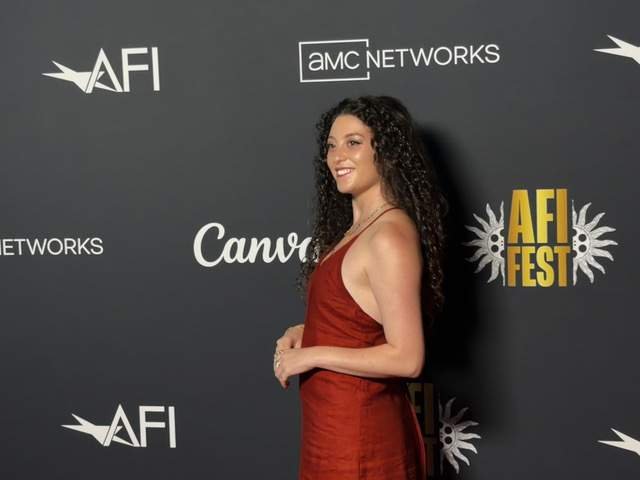
The Chop adeptly uses satire to ease the harsh pill of realization that people trade nature’s benefits for their own convenience. It elicits the kind of laughter which has a core of truth to it; the kind that reminds us of shortcomings we might also possess. Even when Taka goes to extremes, it’s difficult to not feel connected to her and her positive intentions. The characters and the underlying message are both funny and uncomfortable, which is an ideal place to be for this subject matter. The precarious line between reality and absurdity is razor thin in the presentation of this film and it’s more effective because of it. Executive Producer Tori Ichikowitz has achieved a masterful feat with this film. She communicates how impactful the story was for herself and her collaborators revealing, “The most rewarding part of my involvement in The Chop came long after cameras stopped rolling. About five months after we wrapped, our hero tree, the one that anchored the entire film and around which our protagonist’s emotional journey revolves, was actually cut down. It was heartbreaking news. That tree had become a character in its own right, a quiet witness to the story and a symbol of everything our heroine clings to, questions, and ultimately grows through. When I learned it was gone, I felt an unexpected sense of loss but also gratitude. The film had preserved it. Every branch, every knot in the bark, every moment of sunlight slipping through its leaves now exists in a way that cannot be undone. Through our work, that tree is held intact, suspended in the film. It continues to live, not just in the frames we captured, but in the reactions of audiences who connect with it as something more than set dressing. They feel its presence and its meaning. As a producer, you spend so much time fighting to protect fragile things. In this case, we quite literally did. Although we could not stop what eventually happened to the real tree, we ensured its spirit, its silhouette, and the emotional resonance it carried would outlast its physical lifespan. That is the reward that stays with me. We gave permanence to something impermanent. We allowed a piece of the natural world to be remembered with affection, humor, and heart. Knowing that our story became its legacy, and that people around the world now carry an image of that tree with them, feels like the quiet triumph of the entire production.”
Writer : Calvin Hooney