Features That Set Saltwater Fishing Reels Apart: A Comprehensive Guide
Table of Contents
- What Sets Saltwater Fishing Reels Apart?
- Key Materials For Corrosion Resistance
- Drag Systems: Smooth Performance Matters
- Bearings and Gearing For Tough Conditions
- Size and Line Capacity Considerations
- Balancing Strength With Weight
- Price Points and What Impacts Cost
- Caring For Your Saltwater Reel
- Conclusion
What Sets Saltwater Fishing Reels Apart?
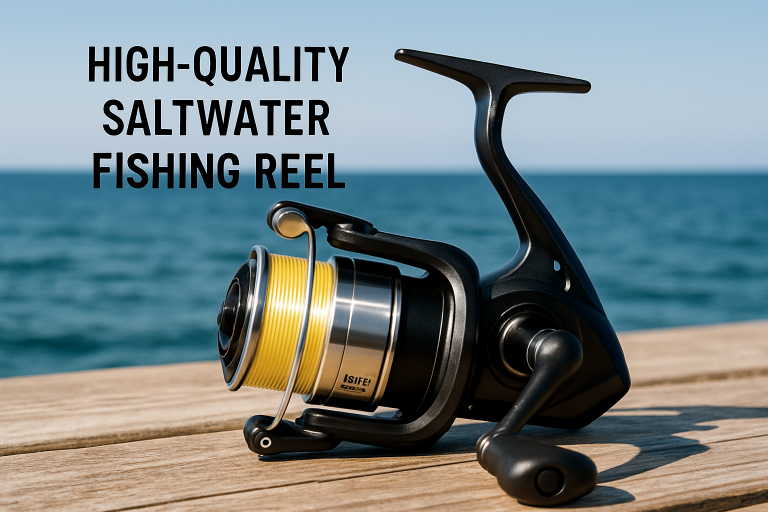
When it comes to angling in the ocean, your gear faces challenges far beyond those found on freshwater outings. The environment is harsher, and the game fish are notoriously stronger, making it crucial to pick equipment that is up to the task. Saltwater fishing reels are engineered specifically to withstand these punishing conditions, boasting seals, materials, and features that drastically extend their lives and performance compared to standard freshwater reels.
Not all reels are built equal, especially when braving the salt, sand, and relentless action of in-shore, near-shore, or offshore fishing. Specialized seals prevent saltwater intrusion, advanced drag systems allow for smooth yet powerful runs, and innovative materials resist corrosion, ensuring you stay prepared for whatever the ocean throws your way. Choosing the right reel is the first step toward more reliable, enjoyable saltwater angling.
Key Materials For Corrosion Resistance
Corrosion is the number one enemy of saltwater fishing gear. Unlike freshwater environments, salt can corrode traditional metals, weakening your reel and putting your prized catches at risk. The best saltwater reels utilize advanced materials, such as anodized aluminum, stainless steel, and carbon composites, for maximum protection. Some manufacturers even integrate high-performance carbon to deliver strength without excessive weight. Tight tolerances and protective finishes further enhance longevity, ensuring reels provide years of reliable service regardless of how often they’re used or the severity of the conditions. As technology evolves, the industry continues to push the limits on what these reels can endure. For those investing in saltwater reels, understanding what’s inside can make all the difference. This knowledge enables anglers to target larger fish with confidence, knowing their gear won’t let them down in crucial moments.
Drag Systems: Smooth Performance Matters
The drag system is at the heart of any good saltwater reel. This mechanism needs to handle sudden, forceful runs from powerful fish without sacrificing smoothness or control. Top saltwater fishing reels often utilize multi-disc or carbon fiber drag systems—these deliver steady, consistent pressure and superior heat dissipation during prolonged battles. According to WikiHow, setting your drag correctly is essential to maximizing performance and preventing line breakage. Advanced drag technologies enable precise micro-adjustments, giving you an edge when fighting species such as tuna, amberjack, or marlin.
Modern Innovations in Drag Systems
Many modern setups feature sealed drag systems, which protect sensitive components from moisture and contaminants. This not only improves performance but also significantly reduces maintenance. The result? Fewer breakages, less “stick-slip” during tough fights, and greater angler confidence on each outing.
Bearings and Gearing For Tough Conditions
Bearings and gears play a pivotal role in performance and durability. The best reels use shielded or sealed stainless steel ball bearings designed to keep salt, sand, and debris at bay. This continues to operate smoothly even after repeated exposure to the elements. When it comes to gears, brass and stainless steel are industry standards—they provide strength and corrosion resistance, ensuring your reel can handle hard-pulling fish and frequent action.
A common misconception is that more bearings always means better performance. In truth, it’s about bearing quality and placement. Fewer high-quality sealed bearings are far superior to many low-grade ones, ensuring a sensitive feel and smooth reeling when it matters most.
Size and Line Capacity Considerations
Selecting the correct size reel is crucial, especially when fishing offshore or targeting larger species. The size will dictate your line capacity, drag potential, and overall usability. Larger reels are better suited for handling heavier lines and provide greater line capacity for long, blistering runs from species such as kingfish or wahoo.
Choosing Based on Target Species
Matching the size to your game fish and line setup prevents excess fatigue and improves performance. Oversized reels add unnecessary weight, while undersized reels can leave you short-handed during a tough fight. A well-matched reel enables more precise, controlled angling throughout long days on the water.
Balancing Strength With Weight
The right saltwater fishing reel should strike a perfect balance between toughness and manageability. Too heavy, and you’ll tire out quickly; too light, and you risk losing power or structural integrity during fierce battles. Leading brands now utilize modern alloys, precision machining, and carbon composites to produce reels that are both lightweight and strong enough to withstand the most demanding saltwater fishing conditions.
This balance supports anglers during extended trips, especially those targeting fast-moving pelagic species or those who actively cast throughout the day. It also makes it easier to respond quickly to fish strikes, providing a better overall fishing experience.
Price Points and What Impacts Cost
Investing in quality saltwater gear often comes with a higher initial cost. Premium models justify their price tags through advanced engineering, high-grade materials, strict quality controls, and extensive real-world field testing. Mid-range reels, however, have grown increasingly capable—often featuring many of the same materials and construction techniques as flagship products.
When evaluating price, factor in warranty coverage, customer support, and access to replacement parts. These elements safeguard your investment and make higher up-front costs worthwhile over the long haul.
Caring For Your Saltwater Reel
Proper maintenance is essential for keeping your reel in top condition from season to season. After each trip, rinse your reel gently with fresh water—never soak it—focusing on removing salt residue. Dry thoroughly and periodically apply manufacturer-recommended lubricants to the gears, bearings, and drag components.
Simple Care, Long-Term Savings
Taking a little time to care for your reel after each outing pays major dividends. Lubrication prevents internal corrosion and maintains smooth operation, while regular cleaning helps spot early signs of wear. These best practices extend the life of your investment and keep your gear ready for action at a moment’s notice.
Conclusion
In conclusion, saltwater fishing reels are not just upgraded versions of freshwater reels but purpose-built tools designed to withstand some of the harshest conditions anglers will ever face. From corrosion-resistant materials and advanced drag systems to sealed bearings, balanced designs, and proper sizing, every detail is engineered to ensure durability, performance, and reliability against powerful ocean species. While premium reels may come with a higher cost, the long-term value they deliver in terms of strength, longevity, and angler confidence makes them a worthwhile investment. Paired with consistent maintenance, the right saltwater reel not only enhances your fishing experience but also ensures you are always ready for the next big fight the ocean has in store.